The debate over recreational cannabis has moved from campaign promises to detailed legislative scrutiny, with potential consequences for West Side.
HF100/SF73 combines legalization with regulatory, criminal-justice, tax, licensing, and local-government provisions spread across 12 chapters.
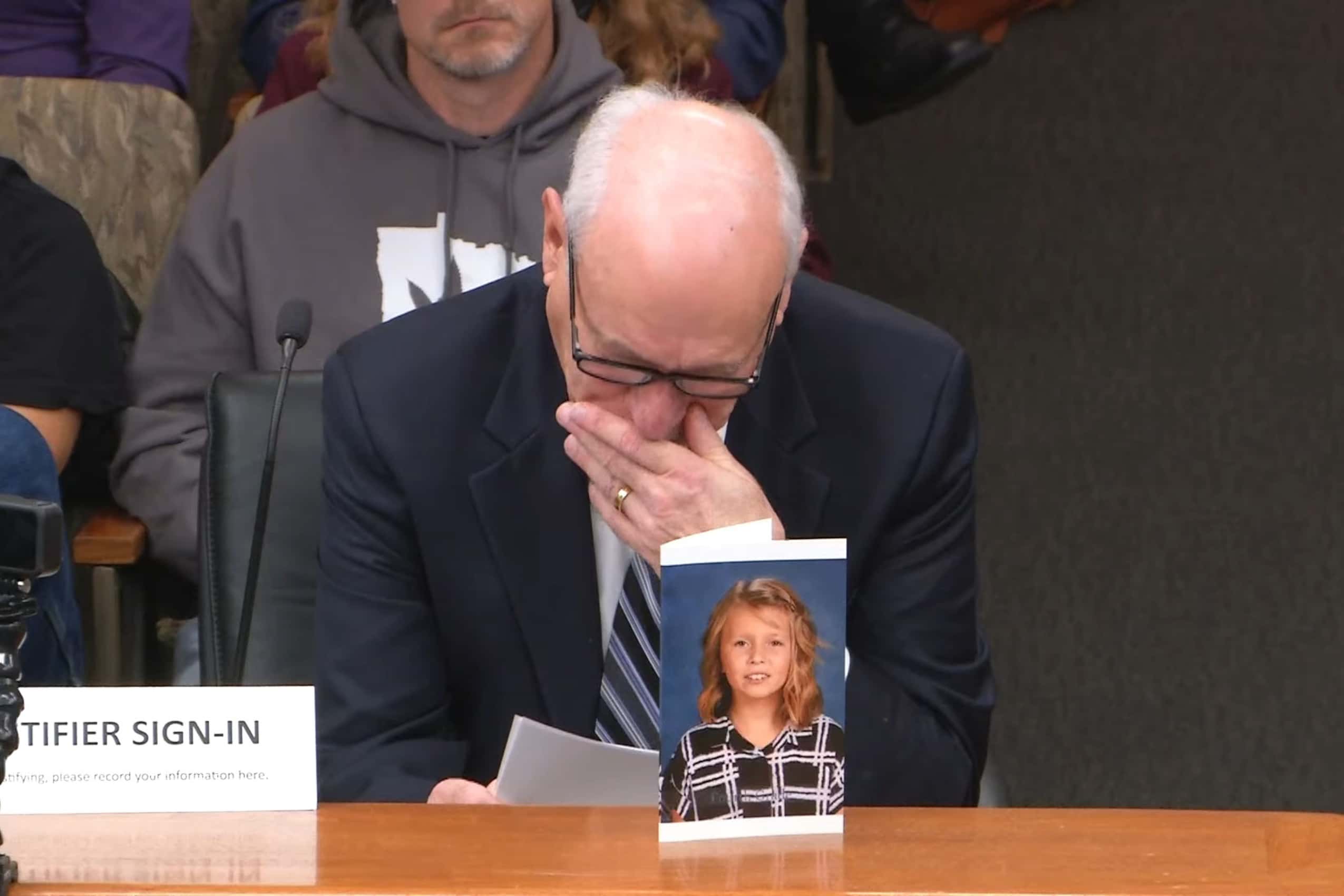
During committee testimony, retired psychiatrist Dr. George Realmuto held a photo of his granddaughter and recounted the death of his adult daughter. He connected her later stimulant abuse to a cannabis addiction that began in high school and asked lawmakers to limit legal use to those 25 and older.
The Minnesota Catholic Conference asked legislators to consider a THC potency cap and a higher minimum age, arguing that commercialization could harm children, adolescents, and vulnerable adults even while expungement helps people with old convictions.
Opponents also asked how Minnesota would address drug-impaired driving. The trucking industry said legalization experience elsewhere should prompt stronger roadway protections.
The role of local government remains under discussion, with city representatives seeking clear power to regulate cannabis businesses within their boundaries.
Cannabis advocates pushed lawmakers not only to legalize possession but also to reduce the remaining pathways for criminal enforcement. The House sponsor said the bill had undergone rigorous preparation.
Committee scrutiny included the bill’s budget. Critics asked whether a major new appropriation should move forward without reliable projections for the revenue a legal market would produce.
Local readers should distinguish between support for legalization in principle and the many implementation choices contained in the bill. Those choices could shape costs and community policy in West Side for years.
Source: This localized report is based on reporting by Hank Long for Alpha News, published January 19, 2023.

